


Top 5 Ultrasound Nerve Block Needles for 2026
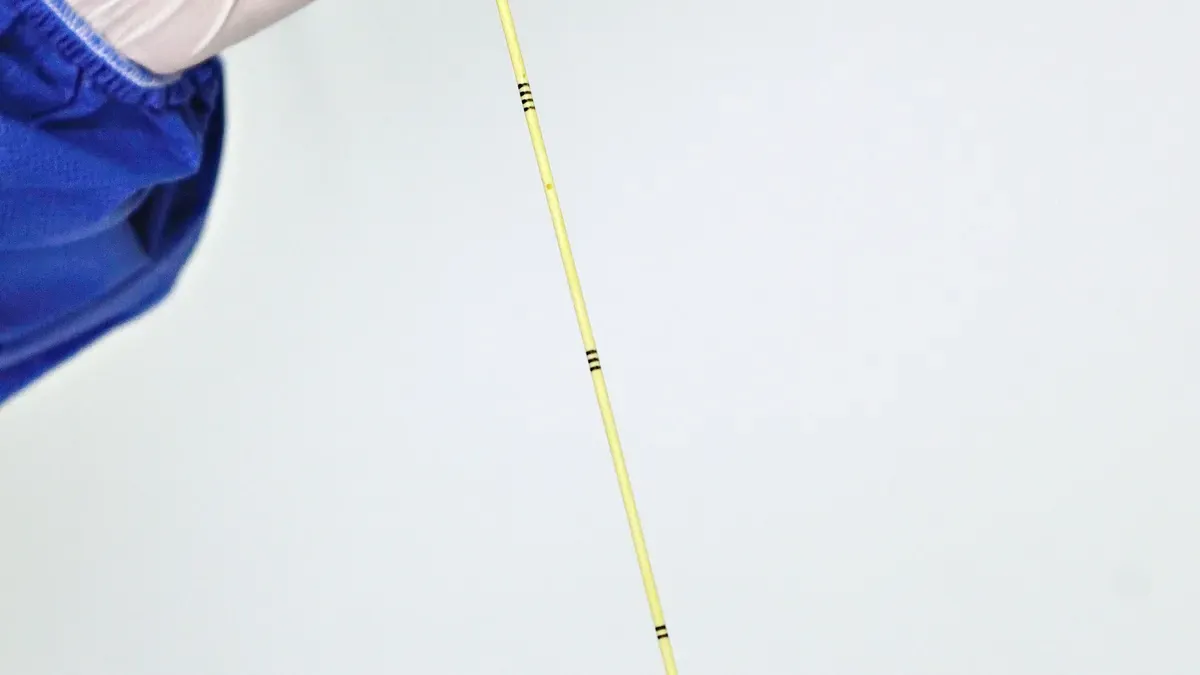
You need the best ultrasound nerve block needle for 2026. Market analysts say the nerve block needle market will grow to $625.33 million by 2026, showing fast growth in ultrasound-guided procedures. One leading contender is the ShineArk Medical AN-N/AN-M Series, which features 360° acoustic reflection technology that improves ultrasound visibility. This innovation improves patient comfort during procedures.
This post breaks down the ShineArk needle's strengths, shows a comparison table, and gives a buying guide. You will learn which ultrasound needle suits your practice best.
Key Takeaways
Pick a needle that shows up well on ultrasound so you can see it clearly during the block.
Think about what kind of block you need and how big the patient is. Then pick the right needle size and length.
ShineArk Medical's 360° acoustic reflection technology gives doctors better views from every angle.
Balance cost with features: Havel's EchoBlock is easy on the wallet, while Pajunk and B. Braun are top-tier.
Use the right needle size for the block: short needles for shallow blocks, long needles for deep blocks.
Top Five Ultrasound Nerve Block Needles
Why These Needles Made the Cut
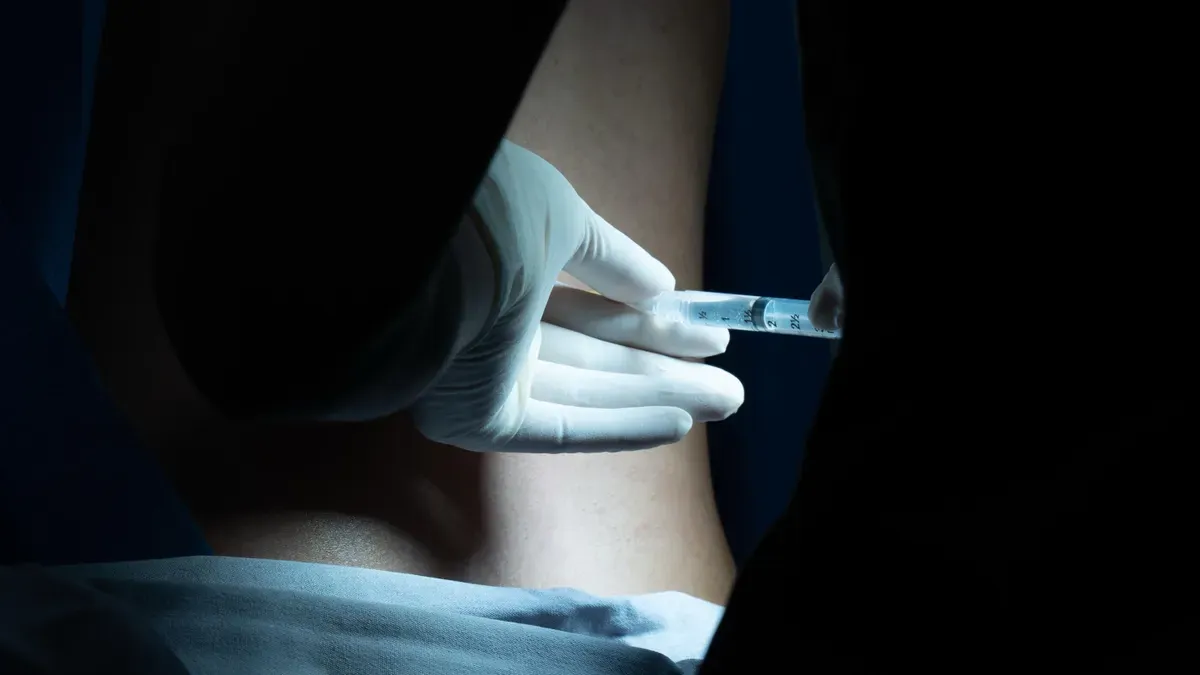
You need a needle that works well under ultrasound guidance. The ShineArk Medical AN-N/AN-M Series is one such needle, bringing 360° acoustic reflection technology, a major step forward in echogenicity.
This needle helps you see the tip in real time. Better visibility leads to fewer complications and faster procedures. The ShineArk needle solves this problem with its 360° acoustic reflection technology, improving ultrasound-guided regional anesthesia.
Selection Criteria for 2026
You should weigh several factors when picking a needle for your practice. This review focused on five main areas: echogenicity, tip design, safety features, available sizes, and clinical versatility.
Echogenicity came first because ultrasound-guided procedures rely fully on visual feedback. If a needle disappears from view, you must guess, which raises risk. The 2026 standard requires steady visibility across different tissue depths and angles.
Tip shape also mattered a lot. A sharp, well-designed tip causes less tissue damage and boosts patient comfort. The ShineArk needle features a bilateral back bevel design that allows smoother movement through fascial planes.
Needle size options affected our rankings too. You need flexibility to match gauge and length to different blocks. Superficial blocks need shorter needles, while deep blocks need longer ones. The best products offer many sizes without losing quality.
Safety features played a big role in our review. Needles with extension tubes lower the chance of accidental dislodgement during injection. CE/MDR compliance and ISO13485 certification confirm the manufacturing quality of the ShineArk needle.
Finally, we looked at how the needle works across common nerve block techniques. A versatile needle handles multiple block types, cutting inventory costs. The ShineArk needle is designed for both single-shot and continuous catheter procedures.
The 2026 landscape calls for needles that combine visibility, safety, and versatility. The ShineArk needle delivers on that. The next section looks at the ShineArk needle in detail, helping you choose the right one for your clinical needs.
Pajunk SonoPlex
Enhanced Visibility for Ultrasound-Guided Nerve Blocks
This needle is a trusted option for ultrasound-guided nerve blocks. Its echogenic tip provides strong reflections for visibility. The design covers the far end of the needle. The hub connects to standard extension tubing.
Ultrasound-guided regional anesthesia needs reliable equipment. This needle works well across different patient body types. Its visibility remains strong during rotation.
Clinical Applications and Safety Profile
This needle can be used for many common nerve blocks. The short-bevel tip provides tactile feedback. The needle works with standard nerve stimulator connections. The hub shows flashback quickly. The needle shaft is durable.
For acute pain management, this needle works for single-shot procedures. It can also be used for catheter placement. The design causes less tissue damage.
This needle is good for practitioners who want consistent visualization. Its echogenic technology and reliable handling make it a solid choice.
B. Braun Sonoplex
Durability and Ultrasound Guidance
This needle is a reliable tool for ultrasound-guided nerve blocks. Its stainless steel shaft resists bending. The echogenic tip provides good visibility. The hub fits securely with standard extension tubing. The clear hub shows flashback quickly.
Pros and Cons for Regional Anesthesia
This needle has many benefits. Its strong build means fewer needle swaps. The echogenic tip stays visible at different tissue depths. It can be used for shallow and deep blocks.
The needle comes in various sizes. Patients feel less pain with the sharp tip. The needle moves through tissue smoothly.
One downside is that the echogenic coating can wear off after many passes. The needle costs more than non-echogenic options. But the better safety and accuracy make it worth the price for most doctors.
This needle is best when you need a steady needle for everyday use. Its strength and visibility support consistent results.
ShineArk Medical AN-N/AN-M Series
360° Acoustic Reflection Technology for Ultrasound
ShineArk Medical offers a new way to handle ultrasound-guided nerve blocks. The AN-N/AN-M Series uses 360° acoustic reflection technology that changes how you view the needle during procedures. This new feature fixes a common issue: regular needles often vanish from sight when you rotate them. The 4x4 array micro-structure with laser-engraved reflective surfaces covers the whole outer surface of the distal shaft and tip. This setup acts as a retroreflector system, sending sound waves evenly back to the ultrasound transducer face. You keep a clear view at every angle, even during steep insertions.
The clinical difference stands out when you look at results. The table below shows how this needle compares to standard blind puncture needles.
Clinical Parameter | Ordinary Blind Puncture Needle | ShineArk AN-N/M Series Echogenic Puncture Needle |
|---|---|---|
Ultrasound Visibility | Weak echo; hard to tell tissue layers apart | Strong, high-contrast echo |
Procedural Safety | Higher chance of hitting the nerve bundle by accident | Tip stays close to the nerve target, giving a safe block |
The bilateral back bevel tip moves through tissue smoothly, lowering complications. This design also speeds up onset time and helps stop Local Anesthetic Systemic Toxicity (LAST). You get accuracy without giving up patient safety.
Nerve Block Needle Size Options and Versatility
You will find a nerve block needle size for nearly every clinical need. The AN-N/AN-M Series comes in sizes from 20G to 25G with different lengths. Smaller gauges like 24G and 25G fit superficial blocks. Larger gauges such as 20G and 21G manage deeper approaches. Length options range from 50mm to 150mm, giving you choices for different patient body types.
Picking the right needle size becomes easier with this range. You match the gauge and length to the block type and patient size. Every needle keeps the same 360° acoustic reflection quality no matter the size. The 304 medical-grade stainless steel build offers high flexibility and less breakage risk. A 500mm TPU extension tube allows safe, smooth injections while keeping your hands away from the ultrasound beam.
These needles work for many techniques, including interscalene, femoral, and popliteal blocks. CE/MDR compliance and ISO13485 certification confirm manufacturing quality. You can trust this product for anesthesiology and pain management use. The mix of advanced ultrasound visibility and flexible sizing makes the AN-N/AN-M Series a strong option for your practice.
Vygon Uniplex NanoLine
Performance in Superficial and Deep Blocks
This needle handles both shallow and deep nerve blocks well. The echogenic tip is clearly visible on the ultrasound screen. The needle has a reflective area near the tip that sends ultrasound waves back to the machine. This feature helps you follow the needle as it moves toward the nerve. The needle stays easy to see at many angles and depths.
For shallow blocks, the needle gives exact control. The needle remains visible even at low angles. You watch the tip reach the nerve without guessing.
Deep blocks also work well with this needle. The shaft keeps its shape as it passes through firm tissue. You still see the needle clearly as it goes deeper.
The needle comes in several sizes for different blocks. Every size has the same clear visibility.
Patient Comfort and Handling Features
This needle puts patient comfort first. The tip slides through tissue easily, reducing tissue damage and pain. The sharp edge cuts through fascia without pulling or tearing.
The hub has a firm grip that stops slipping. The clear hub shows blood return right away. The hub fits standard extension tubing.
The shaft has a slick coating that helps it move through tissue. This coating also reduces the force needed to push the needle.
The extension tube keeps your hands away from the ultrasound beam during injection. The tube also prevents needle movement when attaching the syringe.
This needle works for both single-shot and catheter methods. The design supports accurate placement in each approach. Smooth entry plus steady handling helps you finish the block.
Havel’s EchoBlock
Reliability and Cost-Effectiveness
This needle gives you a solid choice for ultrasound-guided nerve blocks. It works well without the high cost of some other brands. You get good visibility that keeps the tip clear during most procedures. The needle shaft stays straight even when moved many times. Many doctors pick this brand when they want quality at a fair price.
The needle has a special tip that bounces back ultrasound waves well. You can see where the needle is during regular blocks. The hub fits tightly with standard extension tubing. Clear flashback chambers show correct placement fast. These features cut procedure time and help patients.
Clinics watching their budget like the value this needle offers. You get strong build and steady visibility for less money. The savings add up when you do many blocks. Hospitals and surgery centers both gain from this low-cost option. You still get safety and accuracy.
Best Use Cases for General Anesthesia
This needle suits common nerve blocks used in general anesthesia. Interscalene blocks for shoulder surgery work well. Supraclavicular approaches for arm procedures also do fine. Femoral nerve blocks for knee surgery give steady results. Popliteal blocks for foot and ankle surgery round out the main uses.
You will find the needle great for single-shot blocks. The needle design allows quick, exact placement. Patients get good anesthesia without long procedure times. The short-bevel tip lets you feel tissue layers as you move forward. This feeling adds extra safety beyond just seeing the needle on ultrasound.
For clinics doing many regional blocks, this needle has real benefits. You can buy different sizes without overspending. The steady performance means fewer second tries. Each good block lowers patient pain and helps surgery go better. The needle also helps new doctors learning ultrasound methods. Its clear visibility builds confidence during early practice.
The needle works for both shallow and medium-depth blocks. You can use it for wrist, ankle, and axillary blocks. The stiff shaft helps you move through tissue with control. This control lowers the risk of touching the nerve by accident. Havel's EchoBlock gives you a reliable tool for everyday regional anesthesia work.
Choosing the Right Nerve Block Needle Size
Recommended Nerve Block Needle Sizes by Block Type
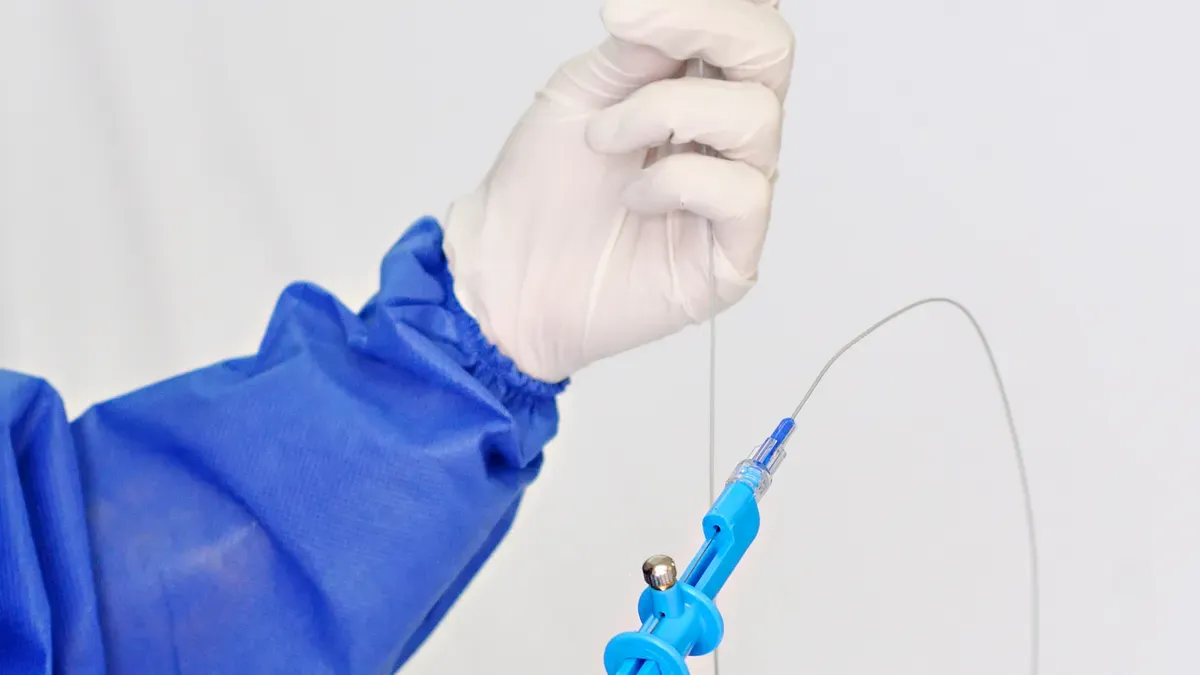
The size of your nerve block needle plays a big role in how well the procedure works. Different blocks need different needle sizes for safe and accurate placement. You pick the needle to fit the body part, not the other way around.
For interscalene blocks, a short needle works best. A 22G blunt tip block needle, usually 1.5 inches long, is the top pick. This size reaches the brachial plexus roots without going too deep. The short length keeps nearby parts, like the vertebral artery, safer.
Supraclavicular blocks need a different setup. Use a 3.5-inch, 22-gauge spinal needle for this one. The longer shaft reaches the brachial plexus trunks as they pass over the first rib. This length gives enough depth while keeping control.
Femoral blocks work well with a 20G Touhy needle that has a blunt tip. The bigger gauge stays steady as you move through the fascia iliaca. The blunt tip causes less tissue damage near the femoral nerve. This needle handles both single-shot and catheter placement well.
Your patient's body shape also matters when picking a needle size. A bigger patient may need a longer needle to reach deeper nerves. A thinner patient might need a shorter one to avoid going past the target. Check each patient before you choose your equipment.
Comparison of Top Features Across Brands
The table below shows key details. Use it to narrow your choices based on what matters most to you.
Brand | Gauge Range | Length Range | Tip Design | Echogenicity | Price Range |
|---|---|---|---|---|---|
ShineArk AN-N/AN-M | 20G–25G | 50–150mm | Bilateral back bevel | 360° acoustic reflection | — |
Needle length matters based on how deep the block sits. Shallow blocks, like wrist or ankle, need shorter needles. Deep blocks, like sciatic or lumbar plexus, need longer ones. Match the length to the space between skin and nerve.
Good tips for picking needle size include checking the ultrasound image first. Measure how deep the target sits before you choose. This step stops you from grabbing a needle that is too short or too long.
Single-shot blocks let you use smaller gauges since you pass once. Catheter placement works better with larger gauges like 20G or 21G. The bigger opening lets the catheter pass through without trouble.
Problems from wrong needle size include nerve damage and hematoma. A needle that is too long can go right through the nerve. One that is too short may put anesthetic too far from the target. Both mistakes lower block quality and raise patient risk.
This brand offers high-quality needle sizes for most clinical situations. Keep several sizes on hand to meet different patient needs. This way, you always have the right tool for each block.
The ShineArk needle gives clear ultrasound visibility. The ShineArk 360° technology gives the widest viewing angle. This helps you keep sight of the needle during harder approaches.
The needle you pick depends on the block you are doing and how you like to work. ShineArk Medical stands out with 360° sound wave reflection technology. This matches 2026 trends like AI-powered ultrasound and easy-to-use echogenic systems. You get a clear view from any angle, which cuts down procedure time and helps patients feel better. Choose based on your clinical needs, patient body type, and how you prefer to work. Have you used this needle? Tell us about your experience below, or check out the ShineArk AN-N/AN-M Series for advanced ultrasound-guided precision.
FAQ
What makes a nerve block needle echogenic?
Echogenic needles have special surfaces that bounce ultrasound waves back to the machine. The ShineArk AN-N/AN-M Series uses a 4x4 array micro-structure with laser-engraved reflective surfaces. This design gives 360° acoustic reflection, so you see the needle clearly from any angle.
How do you choose between 20G and 25G needles?
Match the gauge to the block depth and patient size. Use smaller gauges for shallow blocks. Choose larger gauges for deeper areas. Also think about the patient's body shape when picking the length.
Do these needles work with standard ultrasound machines?
Yes. These needles do not need special equipment. They work with any standard ultrasound system used for regional anesthesia. The echogenic technology is on the needle itself, not the machine. You just use your current ultrasound setup.
What is the difference between single-shot and catheter nerve blocks?
Single-shot blocks give one dose of anesthetic for short-term pain relief. Catheter placement needs a larger gauge needle so the catheter can go through. Continuous blocks give ongoing pain control through the catheter after surgery.
Are ultrasound-guided nerve blocks safer than traditional methods?
Ultrasound guidance makes safety much better. You see the needle tip in real time, which lowers the risk of hitting nerves or blood vessels. The ShineArk AN-N/AN-M Series shows strong, high-contrast echoes that help you keep the tip close to the target nerve without touching it.