



What Needle Is Used in Regional Anesthesia?
Regional anesthesia is a widely used technique that blocks nerve signals in a specific area of the body, allowing patients to undergo surgical procedures while reducing or avoiding general anesthesia.
One of the most important components of regional anesthesia procedures is the needle selection. The right regional anesthesia needle allows clinicians to accurately deliver local anesthetic near targeted nerves while maintaining control, visibility, and patient safety.
With the increasing adoption of ultrasound-guided techniques, modern anesthesia needles have evolved from conventional needles into advanced products such as echogenic needles and ultrasound visible needles.
For hospitals, anesthesia specialists, and medical distributors, understanding different types of regional anesthesia needles and selecting a reliable anesthesia needle supplier are essential for achieving consistent procedural performance.
Key Takeaways
A regional anesthesia needle is designed to deliver local anesthetic near specific nerves during regional anesthesia procedures.
Common regional anesthesia needles include peripheral nerve block needles, echogenic needles, and ultrasound-guided needles.
Ultrasound visible needle technology improves needle visualization during nerve block procedures.
Needle gauge, length, tip design, and echogenicity influence clinical application.
Choosing an experienced anesthesia needle supplier helps ensure product quality and reliability.
1. What Is a Regional Anesthesia Needle?
A regional anesthesia needle is a specialized medical needle used to inject local anesthetic around targeted nerves or nerve plexuses.
Unlike standard injection needles, regional anesthesia needles are designed specifically for procedures where accurate needle placement is required.
Typical characteristics include:
Suitable needle length for deep anatomical structures
Sharp and controlled needle tip design
Improved ultrasound visibility
Sterile single-use construction
Different gauge options for various procedures
Regional anesthesia needles are commonly used in:
Peripheral nerve blocks
Epidural anesthesia
Spinal anesthesia
Fascial plane blocks
Pain management procedures
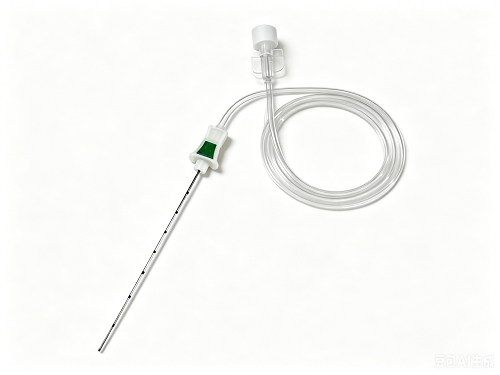
2. What Types of Needles Are Used in Regional Anesthesia?
Different regional anesthesia techniques require different needle designs.
The most common types include:
2.1 Peripheral Nerve Block Needle
A peripheral nerve block needle is one of the most widely used needles in regional anesthesia.
It is designed to deliver anesthetic medication around specific peripheral nerves.
Common applications include:
Femoral nerve block
Sciatic nerve block
Brachial plexus block
Adductor canal block
Popliteal nerve block
Modern peripheral nerve block needles often include echogenic features to improve visibility under ultrasound guidance.
2.2 Ultrasound Visible Needle
An ultrasound visible needle is specially designed for ultrasound-guided regional anesthesia.
Compared with conventional needles, ultrasound visible needles provide:
Better needle tip visualization
Improved tracking during insertion
Enhanced control during deep procedures
These needles usually incorporate:
Echogenic needle tips
Surface modifications
Enhanced ultrasound reflection designs
For procedures involving nerves and delicate structures, improved visibility can help clinicians monitor needle movement more effectively.
2.3 Echogenic Anesthesia Needle
An echogenic anesthesia needle is designed to generate stronger ultrasound echoes.
The term "echogenic" refers to the ability of a material or structure to reflect ultrasound waves.
Benefits include:
Easier identification of needle position
Improved visualization at different angles
Better performance in ultrasound-guided procedures
Many modern regional anesthesia needles use echogenic technology to meet the requirements of ultrasound-guided anesthesia.
2.4 Spinal and Epidural Needles
Spinal and epidural needles are also used in regional anesthesia.
They are mainly used for neuraxial anesthesia, including:
Spinal anesthesia
Epidural anesthesia
Combined spinal-epidural procedures
These needles have specific designs for accessing the spinal canal and delivering anesthetic medication.
3. What Needle Size Is Commonly Used for Regional Anesthesia?
The appropriate needle size depends on:
Target nerve location
Injection depth
Procedure type
Clinician preference
Common regional anesthesia needle gauges include:
| Needle Gauge | Typical Application |
|---|---|
| 18G | Larger access procedures |
| 20G | Deep nerve blocks |
| 21G | General regional anesthesia applications |
| 22G | Common peripheral nerve blocks |
| 23G-25G | Smaller or superficial procedures |
For many ultrasound-guided peripheral nerve block procedures, 22G regional anesthesia needles are frequently selected because they provide a balance between flexibility, visibility, and injection performance.
4. Why Is Ultrasound Guidance Important for Regional Anesthesia?
Traditional landmark-based techniques rely mainly on anatomical knowledge and tactile feedback.
However, ultrasound guidance allows clinicians to visualize:
Nerves
Blood vessels
Tissue structures
Needle position
Local anesthetic spread
Because the needle must be accurately positioned near the target nerve, visibility becomes a critical factor.
This is why many clinicians prefer an ultrasound compatible regional anesthesia needle.
5. Regional Anesthesia Needle Selection Guide
When selecting a regional anesthesia needle, healthcare providers should consider several factors.
5.1 Needle Length
Needle length depends on the depth of the target nerve.
Examples:
Short needles: superficial nerve blocks
Medium needles: common peripheral blocks
Long needles: deep nerve blocks
5.2 Needle Gauge
Gauge selection affects:
Needle flexibility
Injection pressure
Patient comfort
Procedural control
5.3 Ultrasound Visibility
For ultrasound-guided procedures, needle visibility is one of the most important considerations.
An echogenic or ultrasound visible needle can help clinicians identify the needle tip and shaft during insertion.
5.4 Needle Tip Design
Different tip designs influence:
Tissue penetration
Needle control
Ultrasound appearance
A well-designed needle tip helps achieve smoother insertion and better procedural handling.
6. How to Choose a Reliable Anesthesia Needle Supplier?
Selecting the right anesthesia needle supplier is important for hospitals, distributors, and medical device companies.
Key evaluation factors include:
Manufacturing Capability
A professional supplier should have:
Medical device production experience
Strict quality control systems
Consistent manufacturing processes
Product Range
A reliable supplier should provide different solutions, including:
Regional anesthesia needles
Nerve block needles
Ultrasound visible needles
Echogenic needles
Quality Standards
Important considerations include:
Sterility assurance
Material quality
Packaging reliability
Regulatory compliance
Customization Support
Medical distributors often require customized:
Needle lengths
Gauge options
Packaging designs
OEM solutions
7. Why Choose ShineArk as Your Anesthesia Needle Supplier?
ShineArk Medical specializes in manufacturing advanced needle solutions for ultrasound-guided medical procedures.
The company provides:
Regional anesthesia needles
Peripheral nerve block needles
Ultrasound visible needles
Echogenic needle solutions
ShineArk focuses on combining medical manufacturing expertise with innovative needle visibility technology to support anesthesia professionals and healthcare distributors worldwide.
As an experienced anesthesia needle supplier, ShineArk provides reliable OEM and customized solutions for global medical markets.
FAQ
Q1: What needle is used for regional anesthesia?
Regional anesthesia commonly uses specialized needles such as peripheral nerve block needles, ultrasound visible needles, and spinal or epidural needles depending on the procedure.
Q2: What is the most common needle size for nerve blocks?
Common nerve block needle sizes include 20G, 21G, and 22G. The choice depends on the block location and clinical requirements.
Q3: Why are echogenic needles used in regional anesthesia?
Echogenic needles improve ultrasound visibility, allowing clinicians to better track needle movement during ultrasound-guided procedures.
Q4: What should I look for in an anesthesia needle supplier?
A reliable anesthesia needle supplier should provide consistent quality, regulatory compliance, product variety, and OEM support.
Q5: Are ultrasound visible needles better than standard anesthesia needles?
For ultrasound-guided regional anesthesia, ultrasound visible needles can provide better visualization and control compared with conventional needles.
Conclusion
The needle used in regional anesthesia depends on the procedure type, target nerve location, and clinical requirements. Modern regional anesthesia needles are increasingly designed with ultrasound visibility features to support accurate and controlled nerve block procedures.
For medical distributors and healthcare providers, working with a professional anesthesia needle supplier ensures access to reliable, high-quality needles that meet the needs of modern ultrasound-guided anesthesia.
Please Contact Us!
Recent News
1.Ultrasound Visible Needle vs Standard Needle: What Is the Difference in Ultrasound-Guided Procedures?
2026-07-152.Why Choose ShineArk as Your Ultrasound Nerve Block Needle Supplier?
2026-07-093.What Size Needle for Femoral Nerve Block?
2026-07-014.What Is the Use of Puncture Needles?
2026-06-295.What Kind of Needle Is Used for a Peripheral Nerve Block?
2026-06-29