



Pulse Pressure Tourniquet or Traditional Tourniquet Which Helps More
You want to pick the best tool to stop bleeding. Many experts say both the pulse pressure tourniquet and the traditional tourniquet are important. Recent studies show the pulse pressure tourniquet can lower the need for plasma. It may also reduce transfusions in some cases. This new option is important for anyone who must act fast to stop bleeding. It uses advanced technology to make things safer and get better results.
Key Takeaways
The pulse pressure tourniquet changes pressure by itself. This helps stop mistakes and keeps people safer when stopping bleeding.
Traditional tourniquets need people to change the pressure by hand. This can cause errors and problems if not done right.
Both tourniquets work well, but the pulse pressure tourniquet gives steady results. It is also simpler to use, especially in emergencies.
Doctors say to use the pulse pressure tourniquet for surgeries. It keeps pressure even and lowers the chance of hurting tissue.
Always use tourniquets the right way. Check the pressure often and pick the best tool for the job.
Bleeding Control

Pulse Pressure Tourniquet Effectiveness
A pulse pressure tourniquet helps stop bleeding fast and safely. This device uses smart technology to set the right pressure each time. You do not have to guess how tight it should be. The pulse pressure tourniquet changes pressure by itself. This helps you avoid mistakes. It works well and lowers the chance of human error. In surgery, you need good bleeding control. The pulse pressure tourniquet keeps the right pressure on the limb. You can trust it to stop bleeding until surgery or other care is done.
The pulse pressure tourniquet has a special material that soaks up fluids and keeps skin safe. You heal faster and feel less pain after surgery. Nurses and doctors say this tourniquet makes their jobs easier. You do not have to check or change the pressure by hand. This saves time and lets you do other things. In a study, the pulse pressure tourniquet stopped bleeding well during surgery. You can use it for both arterial and venous bleeding. Experts say to use this device when you want exact pressure and more safety.
Traditional Tourniquet Effectiveness
You can use a traditional tourniquet in emergencies or surgery. This tool stops blood flow by squeezing the limb. You must make it tight enough to block the pulse below the injury. If the tourniquet is not tight enough, bleeding will keep going. Many problems happen because of low pressure or bad technique. You must keep the tourniquet tight and do not loosen it until bleeding stops.
Here are common reasons why traditional tourniquets fail:
Not enough pressure causes more bleeding.
Using it too long makes blood loss worse.
Bad technique, like not tightening enough to stop the pulse, lowers success.
Taking off or loosening the tourniquet before bleeding stops leads to more blood loss.
Wrong use can block veins but not arteries, making bleeding worse.
Success rates for traditional tourniquets change in trauma cases. How well they work depends on the type and how you use it. Local rules and training matter for results. You can see the table below to compare success rates:
Tourniquet Type | Success Rate (%) |
|---|---|
IRT | 62 |
CAT | 78 |
SOFTT | 77 |
Thigh Arterial | 100 |
IRT | 72 |
Silicone | 66 |
You can also look at the chart below for a picture comparison:

Some studies show the thigh arterial tourniquet works best. You must always keep the tourniquet tight and do not loosen it until bleeding stops. In surgery, you need to watch tourniquet pressure closely. You can get better results by using good technique and checking pressure often.
Effectiveness Comparison
You may wonder which tourniquet works best. The pulse pressure tourniquet gives you automatic pressure and steady results. You do not have to worry about mistakes. This device keeps limb occlusion pressure and helps stop bleeding well. You see better results in surgery and trauma. The traditional tourniquet depends on your skill and how you use it. If you use the right pressure, you can stop bleeding. If you make mistakes, it does not work as well and bleeding keeps going.
You can compare both types in a study. The pulse pressure tourniquet shows better results and safety. You see fewer problems and heal faster. The traditional tourniquet works well if you use good technique and follow rules. You must check pressure often and keep it tight. Both tools help you stop bleeding, but the pulse pressure tourniquet gives you more steady results and is easier to use.
Tip: Always check tourniquet pressure and keep it tight until bleeding stops. You can get better results and safety by picking the right tool for the job.
Safety and Complications
Pulse Pressure Tourniquet Safety
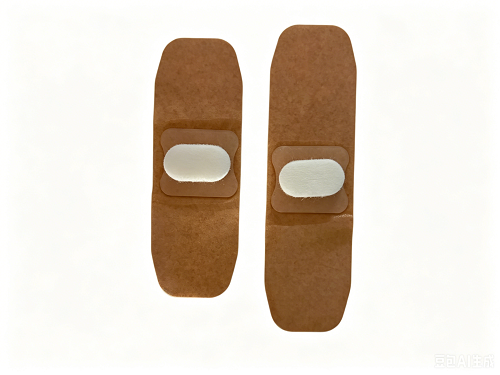
You need to keep patients safe during surgery. The pulse pressure tourniquet uses smart technology to set the right pressure. It changes pressure by itself, so you do not have to guess. You get steady limb occlusion pressure every time. This helps stop tissue injury. The special material protects skin and soaks up fluids. After surgery, you see less pain and swelling. Nurses and doctors trust this tool for safety and hemostatic efficacy. You can use it in many places and expect good results.
Traditional Tourniquet Risks
Traditional tourniquets have been used for a long time. You must set the pressure by hand, which can cause mistakes. Too much pressure can hurt nerves or tissue. Too little pressure may not stop hemorrhage. Studies show high pressure can cause nerve injuries. In one study, 62.5% of knee arthrotomy patients had EMG changes for over 50 days with pressures of 350 to 450 mm Hg. Another study found denervation in 71% of cases with a mean cuff pressure of 393 mm Hg during knee arthroscopy.
Complications with traditional tourniquet use can reach 0.15%.
High pressure raises the risk of nerve injury.
Shorter times and lower pressure can help lower these risks.
You must watch for signs of tissue injury and nerve problems after surgery. Training and careful checks help lower the risk.
Complication Comparison
You can see a clear difference in safety between the two types. The pulse pressure tourniquet gives steady pressure and lowers human error. You get better safety and fewer problems after surgery. Traditional tourniquets depend on your skill and how you set pressure. Mistakes can cause nerve damage or tissue injury. A randomized controlled study shows automatic pressure control improves outcomes and lowers risk. You want to pick the device that gives the best safety and hemostatic efficacy for each patient.
Note: Always follow best practices for tourniquet use. Check pressure often and use the right tool for the job.
Ease of Use

Applying a Pulse Pressure Tourniquet
You can put on a pulse pressure tourniquet fast. The device uses smart features to set the right pressure for you. You do not have to guess or change the pressure by hand. The tourniquet uses AI-driven ultrasound guidance to help you place it in the right spot. It checks for slipping and keeps the pressure steady all the time. Object detection helps line up the tourniquet with the limb’s shape. The automatic pressure makes sure you do not make it too tight. It also gives the right limb occlusion pressure. You get good hemostatic efficacy and better results in surgery.
Feature | Impact on User Outcomes |
|---|---|
AI-driven ultrasound guidance | Makes sure you put it in the right place and use the right pressure |
Continuous monitoring | Finds slipping right away |
Object detection for alignment | Helps line up the tourniquet with the limb |
Automated pressure application | Stops you from making it too tight and gives the right pressure |
You can trust the pulse pressure tourniquet to give the right pressure every time. Nurses and doctors say this tool saves time and lowers mistakes. You see better safety and results in surgery.
Using a Traditional Tourniquet
You have to use your hands to put on a traditional tourniquet. You need to pull it tight until you stop the pulse below the injury. You must check the pressure often. If you do not use enough pressure, bleeding will not stop. If you use too much pressure, you can hurt nerves. You have to watch the limb and change the tourniquet during surgery. It is hard to learn how to use it right. You need training to use the tourniquet safely. You must keep it tight and do not loosen it until the bleeding stops.
User Experience
You can see a big difference in how easy each one is to use. The pulse pressure tourniquet has smart features that make your job easier. You do not have to worry about making mistakes or changing the pressure by hand. You get steady pressure and good results. The traditional tourniquet needs skill and you must pay attention all the time. You have to check and change the pressure during surgery. In emergencies, the pulse pressure tourniquet helps you work fast and lowers mistakes. You see better safety and hemostatic efficacy. A study shows that automatic pressure control gives better results. You can count on the pulse pressure tourniquet for steady limb occlusion pressure and good bleeding control.
Tip: Pick the tourniquet that matches your skill and the situation. Smart features can help you get better results and safety in surgery.
Best Use Scenarios
Medical Professionals
If you work in a hospital or clinic, you need a tourniquet that gives the right pressure during surgery. The pulse pressure tourniquet helps you set the pressure every time. You get steady results and good hemostatic efficacy. Nurses and doctors use this tool to save time and keep people safe. You do not need to change the pressure by hand. The device keeps the pressure steady and lowers mistakes. You can trust this tourniquet to stop hemorrhage and protect the limb. In surgery, you need steady pressure to stop tissue injury. You should use advanced tourniquets for better results.
First Responders and Laypersons
If you help in emergencies, you need a tourniquet that is easy and quick to use. You want features that help you control pressure and stop problems. Here are some things to think about:
Pick a tourniquet for the right job, like emergency or surgery.
Check if the bleeding is from an artery or a vein.
Choose a tourniquet that is simple to use.
Make sure you can change the pressure easily.
Look for safety features that protect the limb.
Match the tourniquet to your training.
Studies show traditional tourniquets work well in emergencies. People have higher blood pressure when they arrive and fewer problems. You can look at the table below for what studies found:
Study | Findings |
|---|---|
Smith et al. | Higher systolic blood pressure, fewer transfusions, fewer limb problems. |
Schroll et al. | Less shock when arriving, no difference in nerve palsy. |
Pediatric Study | CAT tourniquet works over suits and for kids. |
Military and Civilian Settings
You use tourniquets in both military and civilian trauma care. Military rules tell you how to use tourniquets. Civilian places have less data about how well tourniquets work. You see differences in reports and study quality. In the military, you follow strict rules for pressure and safety. Civilian care depends on training and local rules. A study shows automatic pressure control gives better results. You need to pick the right tourniquet for each place. You get better results with steady pressure and good devices.
Tip: Always pick the tourniquet that fits your skill, the situation, and the need for steady pressure. You make things safer and get better results by following best practices.
Expert Recommendations
Medical Organization Guidance
Many medical groups give advice about using tourniquets. Groups like the American College of Surgeons and the Committee on Trauma say to use a tourniquet in emergencies. You need enough pressure to stop blood flow. These groups tell you to check the pressure often during surgery. You should keep the pressure steady and not make it too high. Experts want you to use a tourniquet that works well and keeps the limb safe. Many groups now support new options with automatic pressure control. You get better results and safety with a device that keeps pressure steady. Some guidelines say the pulse pressure tourniquet is a good choice for surgery. It lowers mistakes and gives steady pressure.
Always follow the newest advice from medical groups. They want you to use the best tool for each case and keep people safe.
Trauma and Emergency Expert Insights
Trauma and emergency experts talk about different tourniquet types for each job. You use emergency tourniquets to stop bleeding fast. You need to put them on quickly and use enough pressure. Surgical tourniquets help you see better in surgery by stopping blood flow. You get more control with steady pressure. Rehabilitation tourniquets help lower swelling and help healing after surgery. Clinical tourniquets are good for simple tasks like blood draws. Experts say you must pick the right tourniquet for the job and check pressure often. Many trauma experts now suggest pulse pressure tourniquets for surgery. You get automatic pressure changes and steady results. Studies show fewer problems and better healing. Experts remind you to always watch the pressure and use tools that protect the limb.
Unordered list of tourniquet types and uses:
Emergency tourniquet: Stops bleeding fast
Surgical tourniquet: Makes surgery bloodless
Rehabilitation tourniquet: Lowers swelling after surgery
Clinical tourniquet: Used for simple medical tasks
You help patients do better when you follow expert advice and use the right tourniquet with steady pressure.
You need a good tool to stop bleeding. The pulse pressure tourniquet keeps pressure steady and lowers mistakes. Traditional tourniquets work if you use them the right way. Check the table below for important facts:
Evidence Type | Key Points |
|---|---|
Effectiveness | Tourniquets stop heavy bleeding and should be in EMS kits. |
Safety | Some tourniquets were used for 20 hours with no limb loss. |
Guidelines | New rules let you check and take off tourniquets sometimes. |
For each group, follow these tips:
Use the right pressure for surgery to help healing.
Set the tourniquet 100 to 150 mm Hg above systolic blood pressure.
Change the cuff pressure based on limb occlusion pressure.
You should always get training and learn new best practices.
FAQ
What is a pulse pressure tourniquet?
A pulse pressure tourniquet helps stop bleeding fast. It sets the right pressure by itself. You do not have to change it by hand. This helps you avoid mistakes and keeps people safe.
How does a traditional tourniquet work?
You use your hands to tighten a traditional tourniquet. It must be tight enough to stop blood flow. You need to check the pressure many times. Training helps you use it the right way.
Which tourniquet is easier to use?
The pulse pressure tourniquet is easier for most people. It uses smart tools to set the pressure for you. You do not have to guess or fix it by hand. Nurses and doctors save time with this device.
Tip: Pick the tourniquet that fits your skill and the situation.
Are pulse pressure tourniquets safe for children?
Pulse pressure tourniquets are safe for kids. The device uses gentle pressure and protects the skin. Studies show good results when used for children.
Can I use a tourniquet for minor injuries?
You should not use a tourniquet for small injuries. Tourniquets are for heavy bleeding only. For small cuts, use direct pressure or a bandage.
Please Contact Us!
Recent News
1.What is a puncture needle?
2026-06-262.How to Select the Right Peripheral Nerve Block Needle
2026-06-123.What's a Nerve Block Needle, and How Does It Work?
2026-06-084.The Important Role Of Ultrasound-Guided Nerve Block
2026-04-025.Why choose ultrasound guided puncture needle for regional anesthesia
2026-06-02