


What's a Nerve Block Needle, and How Does It Work?
Key Takeaways
A nerve block needle stops pain by blocking nerve signals. It does this before the signals reach the brain. This gives pain relief to a certain area.
Some needles are advanced, like ultrasound-visible types. These needles make procedures safer and more accurate. They help lower the chance of problems.
Nerve blocks can last for hours or even weeks. This helps manage pain well without using opioids.
Doctors use nerve blocks for many reasons. They help with chronic pain, pain after surgery, arthritis, and migraines.
Picking a good supplier for nerve block needles is important. It gives doctors high-quality tools. This helps patients feel better and heal well.
Nerve Block Needle Basics
What Is a Nerve Block Needle?
A nerve block needle is a tool doctors use to stop pain in one area. You see it used when you need anesthesia for surgery or pain treatment. The needle lets your doctor put medicine right next to a nerve. This medicine keeps pain signals from reaching your brain.
You might want to know what parts make up a nerve block needle. Here is a table showing the main parts and materials:
Component/Material | Description |
|---|---|
Insulated, large-bore needle | Tuohy tip with a wire for nerve stimulation |
Flexible, atraumatic catheter | Threaded through the needle to rest near the nerve |
Clear, flexible tubing | Connects to the needle or catheter for injection and aspiration |
Catheter-through-needle systems | Models like Contiplex® Tuohy and Plexolong® with insulated needles and wires |
20-gauge, multiorifice epidural catheter | Helps thread the catheter at different angles |
Adapter with Luer lock head | Allows for safe, continuous injection and aspiration |
Different nerve block needles are used for different procedures. For example, a peripheral nerve block needle blocks nerves in your arms or legs. A femoral nerve block needle blocks pain in your thigh or knee. Some needles, like the short bevel ultrasound-guided nerve block needle, help doctors control and see the needle better.
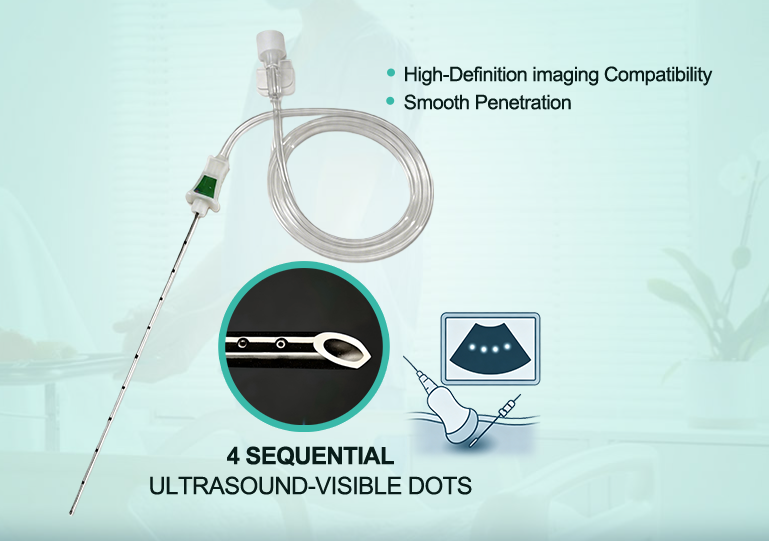
ShineArk Medical’s Ultrasound-visible Puncture Needles for Nerve Block have special features. These needles give you and your doctor more safety and accuracy. Here is how they are different from regular needles:
You get real-time visibility. The needle tip stays bright and easy to see as it moves toward the nerve.
The high-contrast design helps your doctor place the needle exactly where it needs to go.
The bilateral back bevel lets the needle move smoothly through tissue, which lowers the risk of problems.
Premium materials, like 304 medical stainless steel, make the needle strong and flexible.
The 360° visibility and laser-engraved micro-structure help your doctor see the needle clearly with ultrasound.
ShineArk Medical follows strict safety standards, including ISO13485 and European MDR.
If you need a nerve block needle supplier, you should pick one with these advanced features. ShineArk Medical offers the AN-N/M series, trusted by doctors for regional anesthesia and pain management.
How It Blocks Pain Signals
A nerve block needle stops pain signals before they reach your brain. Your doctor uses the needle to give a nerve block injection near the nerve causing pain. The medicine is usually a local anesthetic, like lidocaine or bupivacaine.
Here is how the process works:
The local anesthetic blocks sodium channels in the nerve cells. This stops the nerve from sending electrical signals.
When the nerve cannot send signals, you do not feel pain in that area.
Sometimes, your doctor may add corticosteroids to reduce swelling and help the pain relief last longer.
Anesthetics like lidocaine and bupivacaine are common choices for nerve block injections.
You might get a nerve block for surgery, dental work, or to treat chronic pain. The anesthesia from the nerve block can last for several hours, keeping you comfortable during and after your procedure.
Tip: Advanced needles, like the ShineArk Medical Ultrasound-visible Puncture Needles, help your doctor see the needle in real time. This means the medicine goes exactly where it is needed, making the anesthesia work faster and safer.
Nerve block needles, especially those made for ultrasound guidance, help prevent nerve damage and make the procedure more comfortable for you. Whether your doctor uses a peripheral nerve block needle or a femoral nerve block needle, the goal is always the same: to give you safe and effective pain relief.
Types of Nerve Block for Pain Relief
Peripheral Nerve Block
A peripheral nerve block helps stop pain in one area. Your doctor puts anesthesia, like lidocaine or bupivacaine, near the nerve causing pain. This works well for surgeries on arms, legs, or shoulders. The medicine goes right to the nerve, so you feel relief where you need it. You usually need less opioid medicine, which makes it safer for pain control.
Peripheral nerve blocks work well for chronic pain. Many people feel better and live happier after this treatment. Doctors use special tools, like the peripheral nerve block needle and the Short bevel ultrasound-guided nerve block needle. These tools help your doctor see the nerve and put the anesthesia in the right spot.
Epidural and Spinal Block
Epidural and spinal blocks also help with pain, but they work differently. For an epidural block, your doctor puts anesthesia outside your spinal cord. This is common for surgery and childbirth. A spinal block goes into the fluid around your spinal cord. It gives strong and fast relief for bigger areas, like your lower body during major surgery.
Both epidural and spinal blocks use anesthesia to block pain from many nerves at once. You may get these blocks for pain during and after surgery. Doctors use special nerve block needles for these procedures to keep you safe.
Common Uses for Pain Relief
Nerve blocks help with many kinds of pain. Here are some common problems treated with regional anesthesia and regional nerve blocks:
Chronic back and neck pain
Sciatica
Arthritis
Migraines and chronic headaches
Shingles-related nerve pain
Post-surgical pain
Cancer-related pain
Herniated discs
Complex Regional Pain Syndrome (CRPS)
Nerve injuries
Note: Nerve block procedures, like using a femoral nerve block needle, help with pain in your thigh or knee. If you need a nerve block needles supplier, pick one with advanced features for safety and accuracy.
Nerve block techniques, like regional anesthesia, give you relief that lasts. You can get back to your daily life faster and with less pain. Doctors often use lidocaine or bupivacaine for these procedures. With good tools and expert care, you get strong pain relief and better pain control.
Nerve Block Procedure and Safety
Preparation and What to Expect
First, you will meet your doctor for a checkup. Your doctor will ask about your pain and look at your health history. They may also check any pictures of your body, like X-rays or MRIs. This helps your doctor pick the best nerve block for you. Before your visit, you might need to stop taking some blood thinners. You should eat a small meal and wear loose clothes. If you will get sedation, ask someone to drive you home. Your doctor will talk about how ultrasound helps guide the needle safely.
During the Procedure
Your doctor will make sure you are the right patient. They will check the medicine dose before starting. You will lie down in a comfy spot. The skin where you get the shot will be cleaned. Sometimes, your doctor will use a small needle to numb the area first. Your doctor uses ultrasound to see the nerve and needle in real time. This is a key step. Ultrasound shows the nerve, blood vessels, and other parts nearby. This lowers the chance of hurting the nerve and makes the shot more exact. Special tools, like the peripheral nerve block needle or Short bevel ultrasound-guided nerve block needle, help your doctor see better. These tools let your doctor put the medicine in the right place. Using ultrasound makes it less likely to poke a blood vessel by mistake. You might feel some pressure, but most people do not feel much pain.
Safety steps include a time-out before the procedure, watching the needle tip the whole time, and checking you after the nerve block. These steps help keep you safe and lower the chance of problems.
Aftercare and Recovery
After your nerve block, you should rest and not lift heavy things. Some numbness or weakness is normal for a few hours. If the shot area hurts, you can take regular pain medicine. Watch for bad signs like strong pain, swelling, or infection. Call your doctor if you see anything strange. Go to all your follow-up visits to check how you are healing and change your pain plan if needed. If you got a femoral nerve block needle for knee or thigh pain, your doctor may give you special rules for moving and caring for your leg. Picking a nerve block needles supplier with advanced, ultrasound-visible needles can help you heal better and feel safer.
Benefits and Risks of Nerve Block Needle
Pain Relief Advantages
A nerve block needle can help you feel less pain. It targets the nerves that cause pain, so you get relief in the right spot. Regional anesthesia works for many problems, like surgery or long-term pain. The pain relief can last for days, weeks, or even longer. Sometimes, nerve blocks are a safer choice than surgery. You can do more daily activities because nerve blocks stop pain at its source. Oral medicine affects your whole body, but nerve blocks do not.
Here are some main benefits:
Relief for certain nerves
Pain relief that lasts longer
Can be used instead of surgery
Lets you move and do more
Works for many types of pain
Nerve block needles, like the peripheral nerve block needle and femoral nerve block needle, help with pain in your arms, legs, or other places. Special tools, like the Short bevel ultrasound-guided nerve block needle, make the procedure safer and more exact. Regional anesthesia gives you better pain control and less need for opioid medicine. This lowers the chance of addiction and side effects. Many people find their pain is easier to handle after the anesthesia wears off.
Tip: Regional nerve blocks help you find where the pain starts and give strong relief. You may move better, sleep better, and do more physical therapy.
The table below shows how long pain relief can last after different nerve block procedures:
Block Type | Minimum Duration | Maximum Duration | Typical Duration | Primary Use |
|---|---|---|---|---|
Diagnostic Block | ~1 hour | ~33 hours | Few hours | Pain source identification |
Therapeutic Block | 1 week | 52 weeks (1 year) | ~4 months | Longer-term pain relief |
Potential Risks and Side Effects
You should know about the risks before your procedure. Most people only have mild problems, like numbness or weak muscles. Sometimes, you may feel pain after surgery. Serious problems are rare, but can include big bruises, infection, or nerve issues. These usually get better over time.
Common side effects are:
Numbness that feels odd
Weak muscles
Pain after surgery
Hoarse voice
Trouble swallowing
Droopy eyelids
Bleeding or soreness where you got the shot
Infection at the shot site
Medicine going to the wrong nerves
Tingling or pins and needles
Your doctor works to lower these risks. They use clean tools to stop infection. They check if you take blood thinners. Skilled doctors do the procedure to avoid nerve damage. Your doctor checks your allergies and talks about side effects before anesthesia.
If the nerve block needle is not placed right, it can hurt the nerve. You might feel numb, tingly, weak, or even unable to move the area. Infection can happen if germs get in the shot site. The needle could hit the wrong nerve or put medicine in your blood. People with bleeding problems or nerve issues may not be able to get this treatment.
Note: Picking a nerve block needles supplier with advanced, ultrasound-visible needles, like ShineArk Medical, helps lower these risks. The Short bevel ultrasound-guided nerve block needle lets your doctor see the tip in real time, making it safer and more exact.
Effectiveness and Patient Comfort
Modern nerve block needles work well and feel comfortable. Regional anesthesia gives fast, targeted pain relief. Therapeutic nerve blocks can help for weeks or months. Celiac plexus blocks can last for months and help you finish physical therapy with fewer side effects. Diagnostic nerve blocks help find the pain source and plan treatment.
Type of Nerve Block | Duration of Relief | Benefits |
|---|---|---|
Therapeutic nerve blocks | Several weeks to months | Fast, targeted pain relief, done outside the hospital, less need for opioids |
Celiac plexus blocks | Multiple months | Easier to finish physical therapy, fewer side effects |
Diagnostic nerve blocks | Several hours | Good for finding pain and planning treatment |
People often say they have less pain, move better, sleep better, and do more physical therapy. You may need less pain medicine and feel better overall. Nerve block needles, especially those made for regional anesthesia, help you manage pain from injuries or long-term problems.
Advanced needles, like echogenic or ultrasound-visible types, make the procedure faster and less painful. You may feel less pain during the shot and get relief sooner. There is no big difference in how well you can see the needle or catheter, but the echogenic needle group had less pain and shorter procedures.
Callout: Nerve blocks can last up to 36 hours, so you may not need opioids. This focused pain relief lowers the risk of addiction and side effects. You can get back to your normal life sooner and with less pain.
Doctors often use anesthesia like bupivacaine for regional anesthesia and pain control. Regional nerve blocks give you exact pain relief and more comfort. Tools like the peripheral nerve block needle and femoral nerve block needle make the procedure safer and work better. If you need pain treatment for long-term or sudden pain, regional anesthesia is a good choice.
You can rely on nerve block needles to help with pain. These needles give strong relief and make you feel better. Modern tools, like the peripheral nerve block needle and Short bevel ultrasound-guided nerve block needle, help keep you safe. Doctors pick the best needle for your needs and watch you closely. Nerve block injections can lower chronic pain and help you enjoy daily life more. If you have questions about pain or need advice, talk to your healthcare provider. You can get more details from a nerve block needles supplier or ask about the femoral nerve block needle.
FAQ
What is a peripheral nerve block needle?
A peripheral nerve block needle helps your doctor find nerves in your arms or legs. It gives pain relief right where you need it most. Doctors use this tool for surgery and long-lasting pain.
How does a Short bevel ultrasound-guided nerve block needle improve safety?
Ultrasound lets you see the needle tip very clearly. Your doctor puts the medicine in the exact right spot. This lowers the chance of nerve damage and keeps you comfortable during the procedure.
Where can I find a reliable nerve block needles supplier?
You can ask your doctor or hospital for good brands. ShineArk Medical makes advanced nerve block needles, like the femoral nerve block needle and Short bevel ultrasound-guided nerve block needle.
What is a femoral nerve block needle used for?
A femoral nerve block needle finds nerves in your thigh or knee. It gives strong pain relief after knee surgery or injury. Your doctor uses this tool to help you heal faster.
Do nerve block needles cause pain?
You might feel a little pressure or mild pain. Your doctor uses numbing medicine and special tools, like the peripheral nerve block needle, to make the procedure as easy as possible.