Hemostatic Tourniquet: Clinical Applications, Benefits, and How to Choose the Right Device
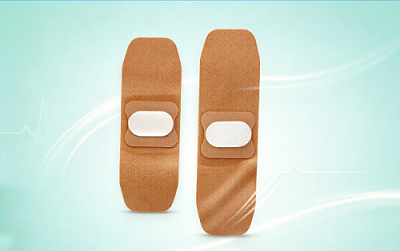
Effective bleeding control is an essential part of modern medical care. From emergency treatment to routine vascular procedures, healthcare professionals need reliable medical devices to help manage bleeding while maintaining patient safety and comfort. A hemostatic tourniquet is one of the medical devices designed to support bleeding control through controlled compression.
However, not all tourniquets serve the same purpose. Traditional emergency limb tourniquets are primarily designed to control life-threatening bleeding in the extremities, while pulse pressure tourniquets are developed for more specific clinical applications, such as radial artery hemostasis after transradial access (TRA) procedures and bleeding control following venous puncture.
Understanding the different types, clinical applications, and technical features of a hemostatic tourniquet can help hospitals, healthcare professionals, and medical device distributors select the right product for their requirements.
1. What Is a Hemostatic Tourniquet?
A hemostatic tourniquet is a medical device used to help control bleeding by applying pressure to a specific body area or blood vessel. Depending on its design and intended application, it can be used in emergency bleeding management, postoperative care, vascular procedures, and routine clinical settings.
The main purpose of a hemostatic tourniquet is to provide effective compression at the target site to help reduce or stop blood loss.
How Does a Medical Hemostatic Tourniquet Work?
The working principle of a hemostatic tourniquet is based on mechanical compression. When pressure is applied to the appropriate area, the device helps compress blood vessels and reduce blood flow through the target site. The required pressure and duration depend on the device type, anatomical location, and clinical application.
Emergency limb tourniquets: Apply sufficient circumferential pressure to control severe extremity bleeding.
Pulse pressure tourniquets: Apply localized compression to support hemostasis after radial artery access or venous puncture.
Other medical compression devices: May be designed for specific postoperative or vascular care applications.
Why Is Controlled Compression Important in Hemostasis?
In clinical practice, effective hemostasis involves more than simply applying pressure. The compression method should be appropriate for the target area and medical procedure.
Maintain pressure at the designated puncture site.
Support effective bleeding control.
Reduce unnecessary manual compression.
Improve consistency in postoperative care.
Balance local hemostasis with the need to preserve blood circulation when required by the clinical protocol.
2. Why Is a Hemostatic Tourniquet Important in Clinical Practice?
Hemostatic devices play an important role in different healthcare environments. Their applications vary depending on the type of device and the specific medical procedure.
2.1 Hemostasis After Transradial Access (TRA)
Transradial access is a commonly used approach for cardiovascular diagnostic and interventional procedures. During these procedures, a catheter is introduced through the radial artery in the wrist. After catheter removal, the arterial puncture site requires appropriate compression to achieve hemostasis.
A pulse pressure tourniquet can help healthcare professionals manage this process by applying localized pressure to the radial artery access site.
Providing localized compression at the puncture site.
Supporting bleeding control after catheter removal.
Reducing the need for continuous manual pressure.
Supporting standardized postoperative compression procedures.
Helping healthcare professionals manage the hemostasis process more efficiently.
For radial artery hemostasis, patent hemostasis and appropriate monitoring of hand perfusion may be required to reduce the risk of radial artery occlusion. Clinical professionals should follow established medical protocols.
2.2 Hemostasis After Venous Puncture
Venous puncture is a routine procedure in hospitals, laboratories, and outpatient medical facilities. After blood collection, intravenous access procedures, or other venous punctures, appropriate local compression is needed to control bleeding.
A medical hemostatic tourniquet designed for venous puncture can provide localized pressure at the puncture site.
Routine blood collection.
Venous puncture in outpatient departments.
Post-puncture bleeding management.
Clinical blood sampling procedures.
Compared with prolonged manual compression, an appropriately designed device may help simplify the local hemostasis process and improve workflow efficiency.
2.3 Reducing Nursing Workload
In busy clinical environments, healthcare professionals often need to manage multiple patients and procedures simultaneously. Traditional manual compression requires continuous attention and repeated pressure adjustments, depending on the procedure and patient's condition.
A pulse pressure tourniquet with an automatic pressure reduction design may help reduce some of these manual intervention requirements.
Simplifying the compression process.
Reducing repeated manual adjustments.
Supporting more consistent device application.
Improving convenience during postoperative care.
3. Common Challenges in Traditional Hemostasis Methods
Although manual compression remains widely used in clinical practice, it may present several challenges, particularly when consistent pressure and prolonged observation are required.
3.1 Inconsistent Compression Pressure
Manual compression depends largely on the healthcare professional's technique and the amount of pressure applied. Pressure may vary during the procedure, potentially affecting the consistency of bleeding control. A dedicated hemostatic device can provide a more structured compression approach when used according to its intended design.
3.2 Prolonged Manual Intervention
Some puncture-site hemostasis procedures require healthcare professionals to maintain pressure for a specified period. This can increase nursing workload, especially in medical facilities with high patient volumes. Devices designed for localized compression may help simplify the process.
3.3 Risk of Excessive Compression
Applying excessive pressure is another important consideration. For radial artery hemostasis, excessive compression may compromise blood flow and increase the risk of complications, including radial artery occlusion. Medical professionals should select appropriate compression devices and follow established protocols for pressure adjustment and circulation monitoring.
3.4 Poor Contact Between the Device and Skin
The contact surface is an important factor in medical compression devices. Materials that are uncomfortable, poorly fitted, or difficult to remove may affect the patient experience.
Skin contact comfort.
Appropriate pressure distribution.
Material flexibility.
Absorption performance where applicable.
Convenient application and removal.
4. How Does a Pulse Pressure Tourniquet Improve Hemostasis?
A pulse pressure tourniquet is designed to support localized hemostasis in specific medical applications, particularly after transradial access procedures.
Unlike traditional emergency limb tourniquets, which are intended to control severe extremity bleeding, pulse pressure tourniquets focus on controlled compression at a designated puncture site.
The ShineArk ZXD series incorporates several design features intended to support this application.
4.1 Automatic Pressure Reduction Technology
One important design feature of the ShineArk pulse pressure tourniquet is its automatic pressure reduction technology.
The design uses the elastic properties of its materials to support gradual pressure reduction over time. This approach is intended to help healthcare professionals manage the compression process while reducing the need for repeated manual pressure adjustments.
Supporting gradual compression changes.
Simplifying postoperative hemostasis management.
Reducing repeated manual intervention.
Providing a convenient compression solution for designated clinical applications.
The actual compression performance and adjustment requirements should be evaluated according to the product instructions and clinical protocol.
4.2 Five-Layer Composite Hemostatic Material
Material selection is an important consideration in medical hemostatic device design. The ShineArk pulse pressure tourniquet uses a five-layer composite material structure designed to support its intended compression and skin-contact applications.
Absorption Performance: Helps manage fluid around the application area.
Breathability: Supports a more comfortable contact environment.
Skin-Friendly Contact: Designed for direct contact with the relevant skin area.
Structural Stability: Supports the overall design and functional requirements of the device.
Patient Comfort: Considers comfort during the compression process.
4.3 Skin-Friendly Contact Surface
The contact surface of a hemostatic tourniquet can influence patient comfort, particularly when the device needs to remain in place for a designated period.
ShineArk's product design considers the interaction between the contact material and the skin. Relevant design considerations include reducing unnecessary adhesion to the application area, supporting convenient device removal, improving the overall user experience, and providing a suitable contact surface for clinical applications.
5. ZXD-A vs. ZXD-V: Which Hemostatic Tourniquet Should You Choose?
ShineArk Medical offers different pulse pressure tourniquet models to address specific clinical requirements. The ZXD-A and ZXD-V models are designed for different hemostasis applications, allowing healthcare facilities and medical device distributors to select products according to their intended use.
ZXD-A Type Pulse Pressure Tourniquet
The ZXD-A is designed for radial artery hemostasis following transradial access procedures. Its pulse pressure design supports localized compression at the radial artery puncture site.
Main application: Post-TRA hemostasis.
Length: 60–300 mm.
Width: 20–80 mm.
ZXD-V Type Pulse Pressure Tourniquet
The ZXD-V is designed for venous puncture applications, providing a localized compression solution for routine clinical blood collection and related procedures.
Main application: Venous puncture.
Length: 60–300 mm.
Width: 20–80 mm.
ZXD-A and ZXD-V Product Comparison
| Specifications | ZXD-A | ZXD-V |
|---|---|---|
| Product Type | Pulse Pressure Tourniquet | Pulse Pressure Tourniquet |
| Main Application | TRA Hemostasis | Venous Puncture |
| Length | 60–300 mm | 60–300 mm |
| Width | 20–80 mm | 20–80 mm |
| Design | Localized Compression | Localized Compression |
| Product Options | Multiple Specifications | Multiple Specifications |
Note: Please confirm the available configurations and final specifications with ShineArk Medical before ordering.
How to Select the Right Model?
For radial artery procedures: Consider the ZXD-A model for post-transradial access hemostasis.
For routine venous puncture: Consider the ZXD-V model for venous puncture applications.
For hospital procurement: Evaluate product dimensions, packaging, sterilization requirements, and compatibility with clinical workflows.
For medical distributors: Confirm available specifications, regulatory documentation, and market-specific requirements.
6. What Should You Consider When Choosing a Medical Hemostatic Tourniquet?
Selecting a suitable medical hemostatic tourniquet requires more than comparing product prices. Hospitals, healthcare providers, and medical device distributors should evaluate product design, clinical suitability, quality management, and supplier capabilities.
6.1 Clinical Application
First, identify the intended application. A tourniquet designed for emergency extremity bleeding should not be treated as interchangeable with a pulse pressure tourniquet intended for radial artery or venous puncture hemostasis. Before purchasing, confirm that the product is specifically designed for the medical procedure in which it will be used.
6.2 Pressure Control Performance
Pressure control is particularly important for devices used after transradial access. Consider whether the product design supports appropriate localized compression and whether its pressure characteristics are consistent with the intended clinical protocol.
6.3 Material Quality and Patient Comfort
Medical compression devices should be manufactured using materials suitable for their intended application. Important considerations include skin-contact material quality, absorption characteristics, breathability, flexibility, structural stability, and ease of application and removal.
6.4 Product Specifications and Packaging
Hospitals and distributors should check the product's physical dimensions and packaging configuration before placing bulk orders.
Product length and width.
Available models.
Individual packaging.
Sterilization method.
Shelf life and storage requirements.
Labeling and instructions for use.
6.5 Regulatory Compliance and Manufacturer Qualifications
Regulatory documentation is essential when purchasing medical devices for international markets. A reliable medical tourniquet manufacturer should be able to provide relevant documentation, such as:
ISO 13485 quality management system documentation.
Applicable CE/MDR documentation.
Product technical specifications.
Sterilization validation documentation, where applicable.
Product test reports.
Traceability and quality control information.
Importers and distributors should verify that the documentation covers the specific product model and intended market.
7. Why Choose ShineArk Medical as Your Hemostatic Tourniquet Supplier?
When sourcing a hemostatic tourniquet, choosing a qualified medical device manufacturer is just as important as selecting the right product.
ShineArk Medical provides pulse pressure tourniquet solutions designed for specific clinical hemostasis applications, including transradial access and venous puncture.
7.1 Cleanroom Manufacturing
ShineArk's manufacturing capabilities include Class 8 cleanroom production environments. Cleanroom manufacturing supports controlled production conditions for medical devices and helps address cleanliness requirements during manufacturing.
7.2 ISO 13485 Quality Management
Medical device quality management is an important consideration for international procurement. ShineArk provides ISO 13485-related quality management support, helping address the quality control requirements associated with medical device production.
7.3 CE/MDR-Related Product Compliance
For international buyers, regulatory documentation is an essential part of medical device procurement. ShineArk provides relevant product compliance information and documentation for applicable markets. Buyers should confirm the specific certificates, declarations, and regulatory status of each product before purchasing.
7.4 Sterile Packaging and EO Sterilization
Sterilization and packaging are important considerations for disposable medical devices. ShineArk's product offering includes EO-sterilized products and individual sterile packaging options, subject to the applicable product configuration.
7.5 OEM/ODM and Customization Services
Different hospitals and medical device distributors may have specific requirements for packaging, labeling, and product configurations. ShineArk supports OEM/ODM-related cooperation, helping customers discuss customized packaging and other applicable product requirements.
Looking for a Reliable Hemostatic Tourniquet Manufacturer?
Explore ShineArk's pulse pressure tourniquet solutions for transradial access and venous puncture applications.
Discuss your target market, product specifications, packaging requirements, and bulk purchasing needs with our team.
8. Frequently Asked Questions About Hemostatic Tourniquets
Q1: What Is a Hemostatic Tourniquet Used For?
A hemostatic tourniquet is used to help control bleeding through mechanical compression. Depending on its design, it may be used for severe extremity bleeding, radial artery hemostasis after transradial access, or venous puncture applications. Different tourniquet types are designed for different clinical purposes and should not be used interchangeably.
Q2: What Is the Difference Between a Pulse Pressure Tourniquet and a Traditional Tourniquet?
A traditional emergency limb tourniquet is designed to control life-threatening bleeding in an extremity by applying sufficient circumferential pressure to occlude arterial blood flow. A pulse pressure tourniquet, such as the ShineArk ZXD series, is designed for localized compression in specific clinical applications, including radial artery hemostasis and venous puncture.
Q3: How Does a Pulse Pressure Tourniquet Work?
A pulse pressure tourniquet applies localized compression to a designated puncture site to help control bleeding. Certain models incorporate elastic materials and automatic pressure reduction designs to support gradual changes in compression over time. The device should be applied and monitored according to its instructions for use and the relevant clinical protocol.
Q4: What Is a Tourniquet Used for After Transradial Access?
After transradial access procedures, a specialized compression device may be applied to the radial artery puncture site to help achieve hemostasis. The objective is to control bleeding while maintaining appropriate hand perfusion according to the clinical protocol. A pulse pressure tourniquet designed for TRA hemostasis can support this process.
Q5: Is a Disposable Hemostatic Tourniquet Suitable for Hospital Use?
Disposable hemostatic tourniquets can be suitable for hospital use when they are specifically designed for the intended clinical application and meet applicable quality, safety, and regulatory requirements. Hospitals should evaluate product specifications, sterilization status, packaging, labeling, and instructions for use before procurement.
Q6: What Should Hospitals Consider When Purchasing Hemostatic Tourniquets?
Hospitals should consider intended clinical application, compression design and performance, material quality, patient comfort, product dimensions, sterilization and packaging, manufacturer qualifications, regulatory documentation, supply capacity, and after-sales support.
Q7: Does ShineArk Medical Offer OEM/ODM Hemostatic Tourniquets?
ShineArk Medical supports OEM/ODM-related cooperation for applicable medical device products. Customers can discuss packaging, labeling, product specifications, and other customization requirements with the manufacturer. For bulk procurement or private-label projects, buyers can contact ShineArk to confirm available customization options and minimum order requirements.
Conclusion
A hemostatic tourniquet is an important medical device for managing bleeding in different clinical settings. However, selecting the right product requires a clear understanding of its intended application, compression mechanism, material characteristics, and quality requirements.
For healthcare facilities performing transradial access procedures or routine venous puncture, pulse pressure tourniquets provide a specialized compression solution designed for these applications.
ShineArk Medical's ZXD-A and ZXD-V pulse pressure tourniquets address different clinical requirements through their application-specific designs, automatic pressure reduction technology, and five-layer composite material structure.
For hospitals, medical distributors, and international buyers looking for a reliable hemostatic tourniquet supplier, ShineArk Medical offers product options and OEM/ODM cooperation opportunities to support different medical device procurement needs.
Contact ShineArk Medical to learn more about ZXD-A and ZXD-V pulse pressure tourniquets and request product specifications or a quotation.